| |
| Thursday 17 September 2026 |
| A king's favourite who amassed a great art collection |
| Lucy Hughes-Hallett |
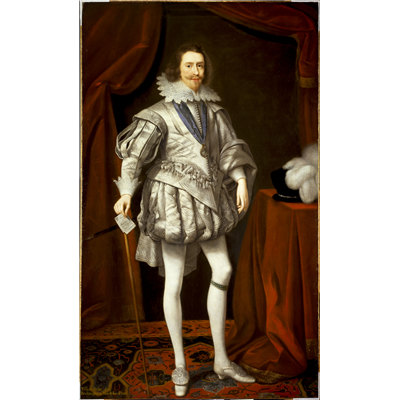 |
George Villiers, Duke of Buckingham, was the favourite of King James I - who addressed him as ‘my sweet child and wife’ - and subsequently chief minister to King Charles I. Buckingham was a beauty, and he surrounded himself with beautiful things. He enjoyed exquisite clothes, like the fabulous white silk suit encrusted with diamonds that he wore to visit the Queen of France. He was a superb dancer. When he cut capers during a court masque King James startled visiting ambassadors by shouting out ‘By God, George, I love you!’ Guests may book online using the following link: Guest Booking |
|
| Thursday 15 October 2026 |
| The Geology of the Crown Jewels |
| Aaron Hunter |
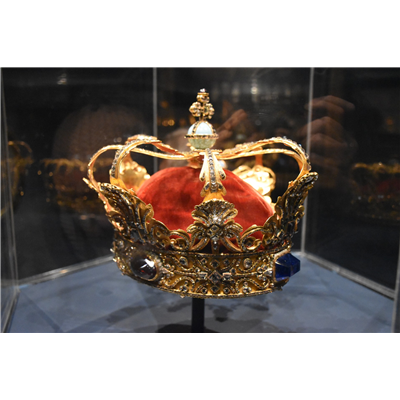 |
The British Crown Jewels are one of the most famous collections of regalia in the world and, unlike others in Europe, are still a working set of jewels, with a large part being used in the coronation of King Charles III and Queen Camilla. We will explore the origin of the royal regalia through the geological origins of its materials, from gold, silver and platinum to the jewels themselves, including two of the largest diamonds in the world. Guests may book online using the following link: Guest Booking |
|
| Thursday 19 November 2026 |
| The Curious history of Christmas Food |
| Peter Ross |
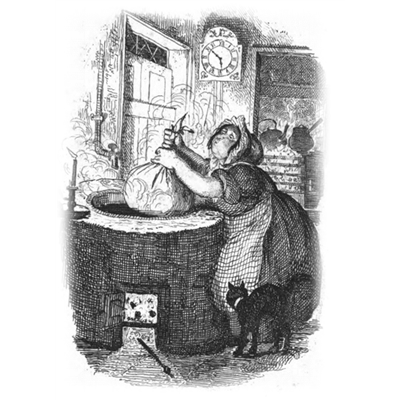 |
The foods we eat at Christmas have a long, curious and visually spectacular history. This lecture narrates and illustrates that history from Medieval boar’s head and brawn, by way of highly decorated seventeenth century mince pies to the almost forgotten Twelfth Night Cake. Medieval illuminated manuscripts, paintings and prints from the seventeenth to the nineteenth centuries, and illustrations from cookery books provide us with images of some of the lost glories of the British Christmas feast. Guests may book online using the following link: Guest Booking |
|
| Thursday 28 January 2027 |
| More than meets the Eye: artists and camouflage |
| Jo Walton |
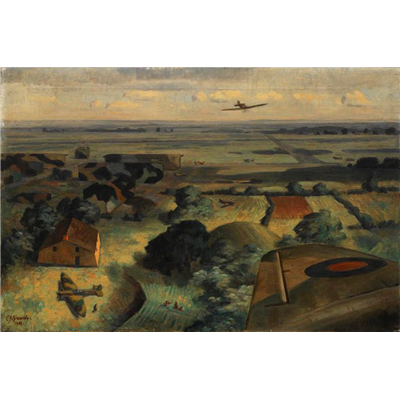 |
During the First and Second World Wars, artists became involved in designing camouflage, using new ideas about optics and perception to mislead, misdirect and deceive the enemy. In this talk we’ll consider the background to the development of camouflage and explore the ways in which artists such as Hugh Casson, Oliver Messel and Julian Trevelyan helped the war effort. From ‘dazzle camouflage’ for ships, to complex illusions that hid power stations and military installations from aircraft, this is a story of secrecy, deception and artistic derring-do, all in pursuit of the great goal – victory in war. |
|
| Thursday 18 February 2027 |
| “Caravaggio: a rebel with a cause” |
| Chantal Brotherton-Ratcliffe |
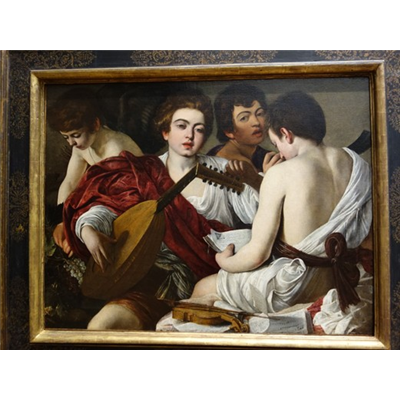 |
Caravaggio – one of the best known names today. A man of proverbial rebelliousness, painting in a style which he knew would drop a bomb on the art world he grew up in. He painted with startling immediacy, rejecting his peers’ obsession with highly artificial designs and stale quotations from earlier works of art. But he was also fortunate to be painting at a time when the Church wanted to harness the power of his art to enforce its message. This lecture considers the unlikely alliance of artist and patrons, considering why the establishment was prepared to accept him, outrageous lifestyle and all, and at the same time, examining why his art is so powerful for us today. |
|
| Thursday 4 March 2027 |
| All The World’s A Stage: From Ancient Greece to the National Theatre- 2500 Years of Theatre In An Hour! |
| Simon Whitehouse |
 |
Journey from the sun-drenched amphitheatres of ancient Athens to today's stages in this visually spectacular exploration of theatre's extraordinary evolution. Discover how a religious festival became the foundation of Western drama, witness Roman spectacle, and trace drama's medieval rebirth. Experience Shakespeare's golden age, explore Restoration comedy's wit and scandal with its first actresses, and meet revolutionary performers like Garrick and Siddons who redefined acting. |
|
| Thursday 20 May 2027 |
| “Bruegel, the Seasons and the World” |
| Gavin Plumley |
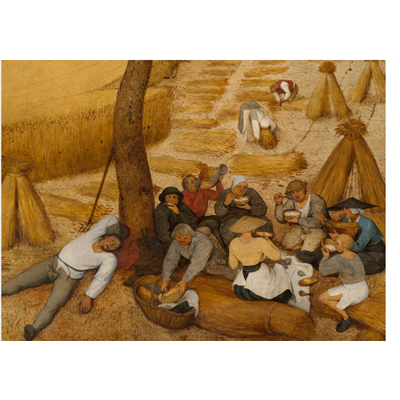 |
In 1565, Pieter Bruegel the Elder was commissioned to create a series of paintings for a dining room in Antwerp. The images, charting the course of a year, changed the way we view the world through art. Landscape had previously been a decorative backdrop to dramas both sacred and profane. But in Bruegel's hands the landscape and our interaction with it became the focus. Looking at paintings such as The Return of the Herd, Hunters in the Snow and The Gloomy Day, this lecture explores how Bruegel pioneered a whole new way of thinking about the environment and our individual places within a shifting cosmos. |
|
| Thursday 15 July 2027 |
| Painted Courage: Artemisia Gentileschi and the Power of Baroque Women |
| Helen Oakden |
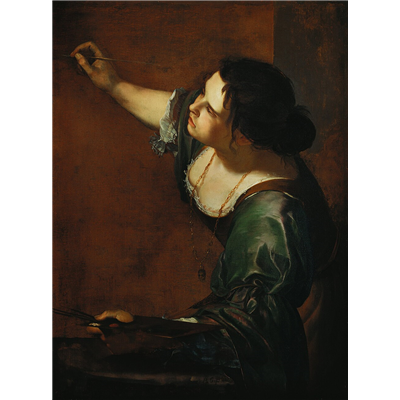 |
This lecture shines a light on Artemisia Gentileschi, one of the most remarkable painters of the Baroque era and among the first women in European art to achieve international renown. Working in a field dominated by men, Artemisia not only equalled her contemporaries in technical brilliance but infused her canvases with a fierce psychological depth that still speaks powerfully today. The lecture will emphasise Artemisia’s ability to harness the Baroque language of light, shadow, and motion in service of stories centered on women’s resilience, suffering, and strength. Her canvases are not merely decorative, they are narrative, psychological, and often autobiographical in resonance. This lecture shines a light on Artemisia Gentileschi, one of the most remarkable painters of the Baroque era and among the first women in European art to achieve international renown. Working in a field dominated by men, Artemisia not only equalled her contemporaries in technical brilliance but infused her canvases with a fierce psychological depth that still speaks powerfully today. The lecture will emphasise Artemisia’s ability to harness the Baroque language of light, shadow, and motion in service of stories centered on women’s resilience, suffering, and strength. Her canvases are not merely decorative, they are narrative, psychological, and often autobiographical in resonance. |
|